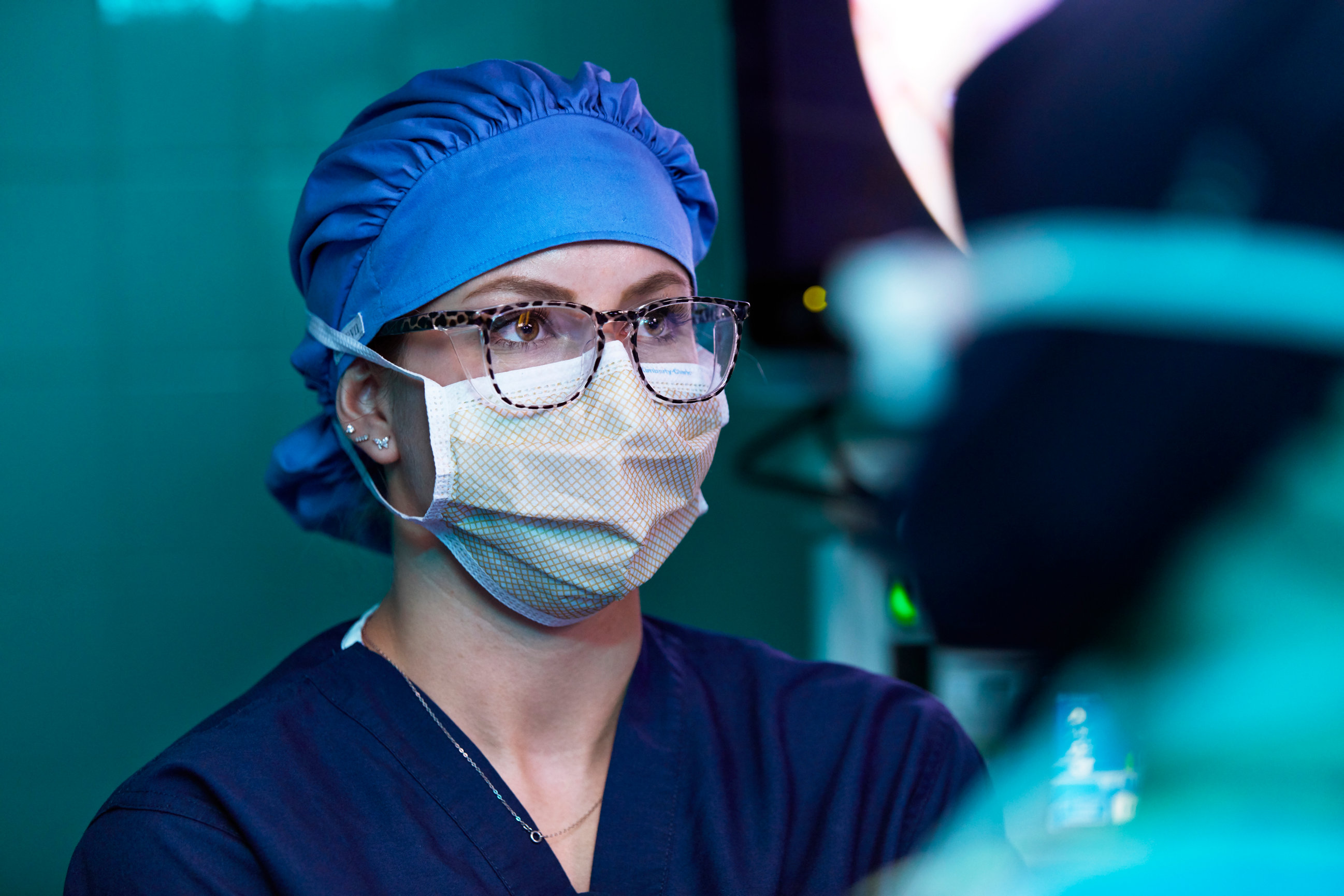
• Surgery You Can Count On — When It Can’t Wait, We Can See You Now

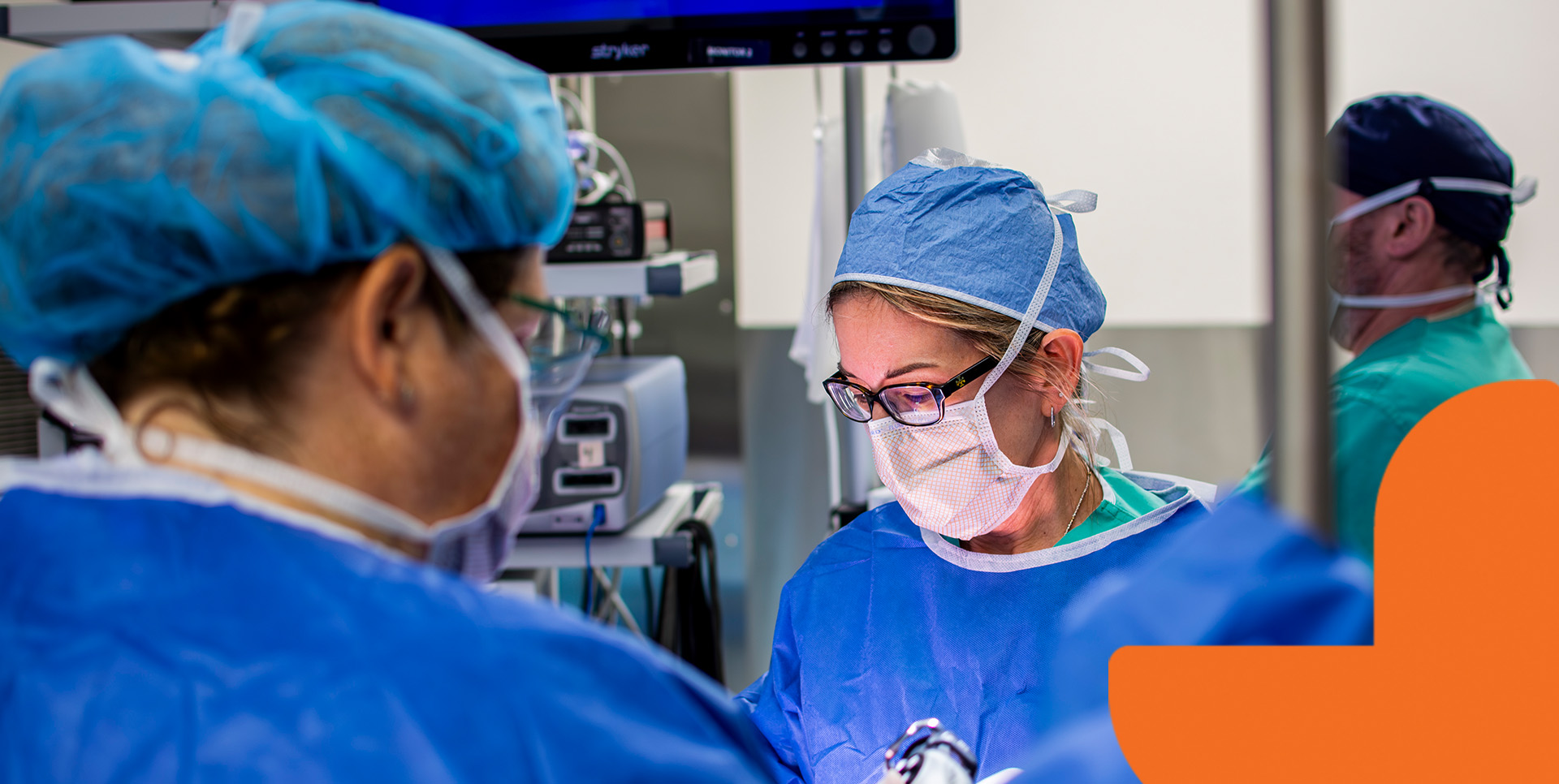
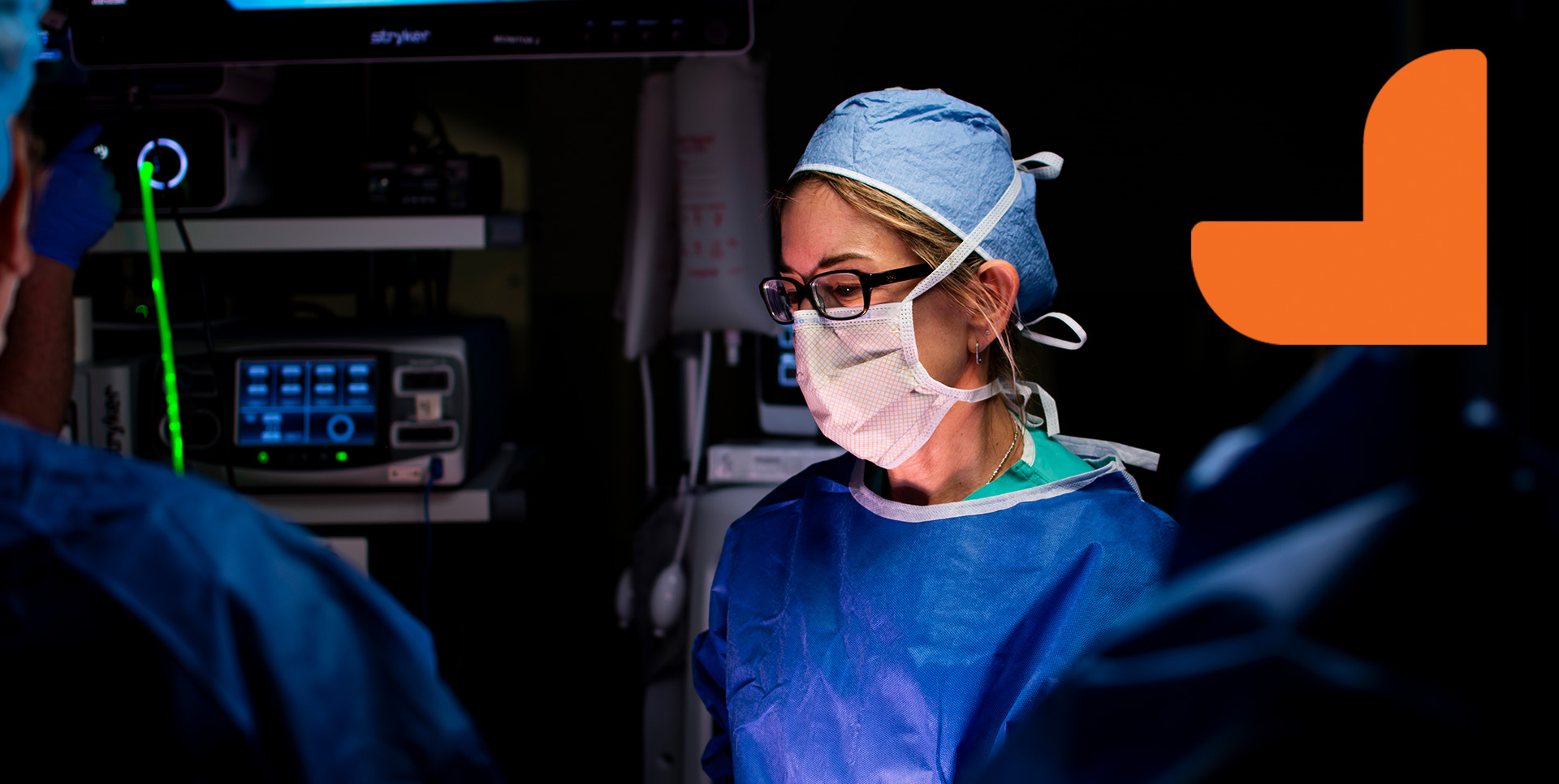
    At Oneida Surgical Group, we combine expert surgeons, advanced technology, and personalized care to help you get back to the life you love as quickly and safely as possible. We understand that when surgery is needed, timing matters — and you have a team ready to support you.

    Logo of Oneida Surgical Group

  • Our Approach

  • Your Care Is Our Priority

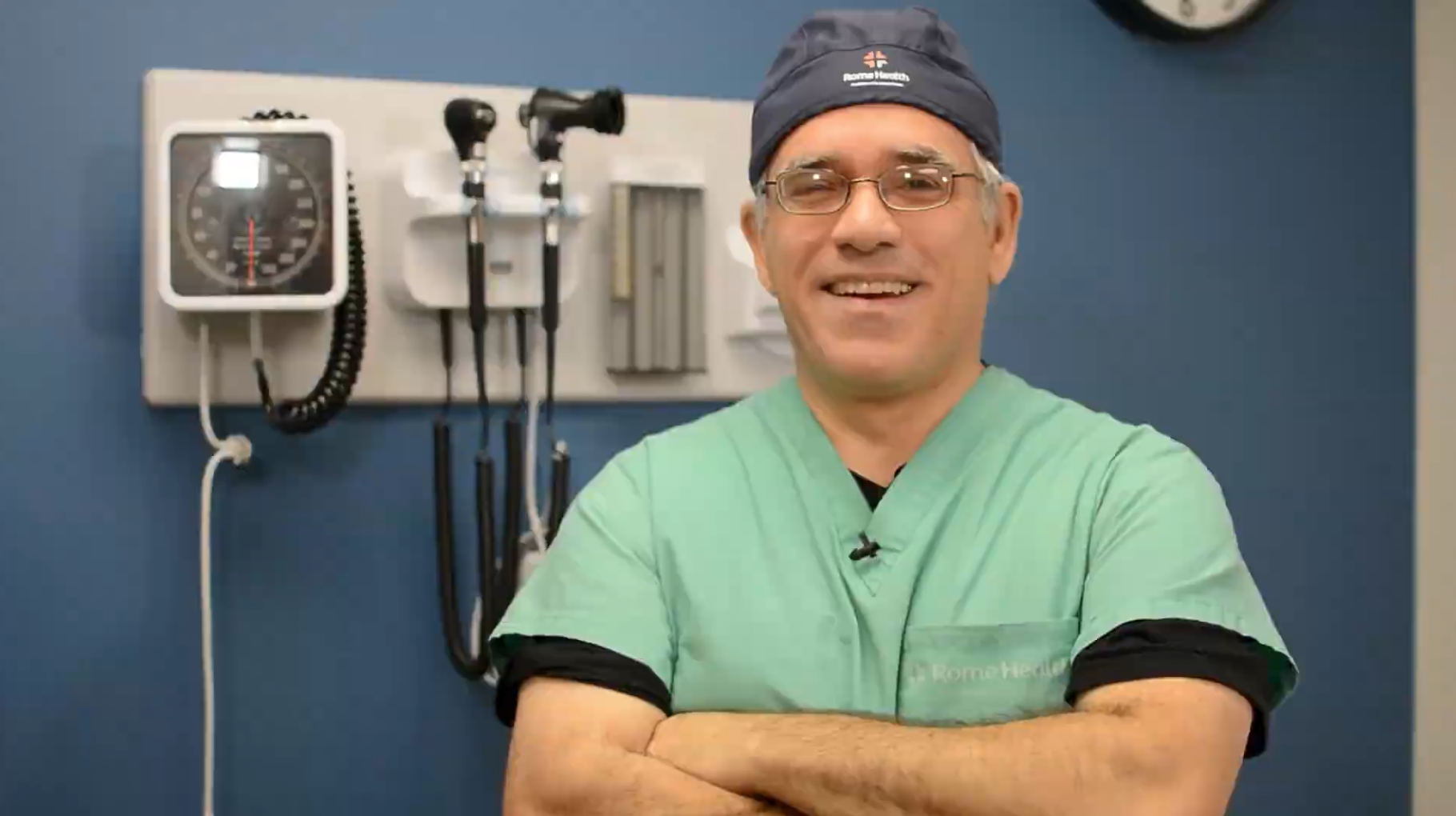
    We tailor surgical care to your unique needs, focusing on safety, comfort, and excellent outcomes. Our surgeons are highly trained, experienced, and committed to delivering compassionate, evidence-based care.

    Advanced Minimally Invasive & Robotic-Assisted Surgery

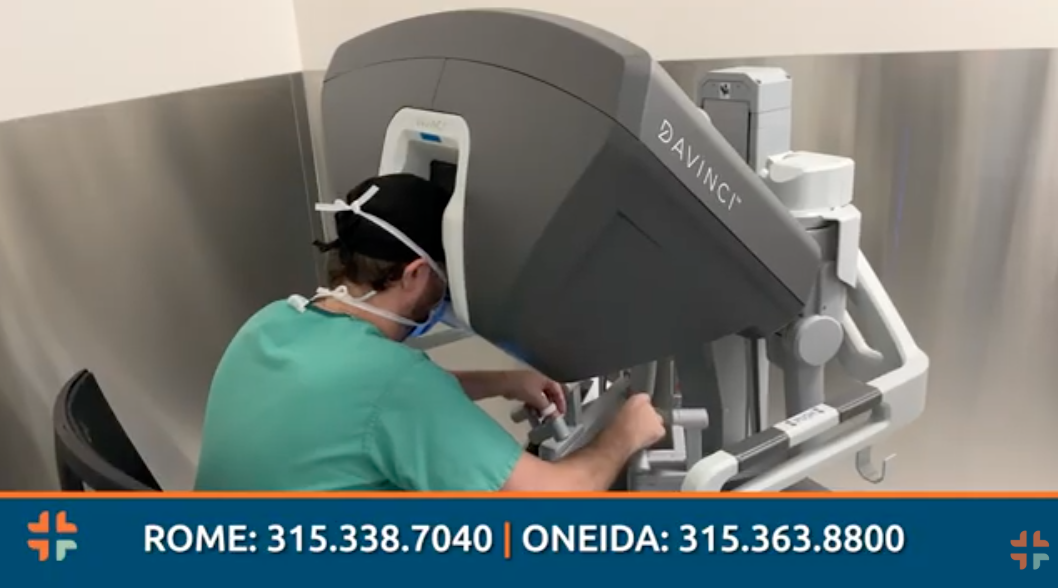
    Our surgical team is skilled in minimally invasive laparoscopic techniques and robot-assisted procedures that can mean smaller incisions, less pain, shorter hospital stays, and quicker recovery times when compared with traditional open surgery.

    Advanced Surgical Centers 

    Your surgery takes place in the Kaplan Center for Surgical Services, Rome Health’s new state-of-the-art surgical facility, or the hospital's affiliated Griffiss Surgery Center. The Kaplan Center supports complex procedures with advanced robotics and cutting-edge technology. The Griffiss Surgery Center is a dedicated outpatient surgery center designed for same-day care.

    Quality You Can Trust

    Rome Health is nationally recognized for infection prevention and patient safety, and we follow rigorously tested, evidence-based protocols to support the best possible surgical outcomes for our patients.

    Conveniently Located

    For patients who reside in Western Oneida County, Oneida Surgical Group is located in Oneida at 357 Genesee St., in Suite 3. 

FEATURED SOLUTIONS

Gallbladder removal (cholecystectomy) treats painful gallstones and inflammation by safely removing the gallbladder to restore comfortable digestion.

Appendectomy addresses acute appendicitis by promptly removing the inflamed appendix to prevent rupture and serious complications.

Hernia repair—available as open, laparoscopic, or robotic techniques—corrects bulges in the abdominal wall or groin by returning tissue to its proper position and reinforcing the area, often with mesh, for lasting strength and relief from discomfort.

Colon resection (colectomy) removes part or all of the colon to treat issues such as colon cancer, severe diverticulitis, inflammatory bowel disease (like Crohn’s or ulcerative colitis), polyps, or blockages, often reconnecting the healthy bowel segments or creating a temporary/permanent ostomy for waste elimination, with minimally invasive laparoscopic or robotic options available for reduced pain and quicker recovery.

Having a Colonoscopy Procedure soon? Click here for the Colonoscopy Procedure Checklist

Thyroidectomy—ranging from partial (lobectomy/hemithyroidectomy) to total removal of the thyroid gland—treats thyroid cancer, large or symptomatic goiters, multinodular disease, hyperthyroidism (such as Graves' disease), and suspicious nodules, often using minimally invasive techniques for smaller incisions, less pain, and faster recovery.

Screening colonoscopy, the gold standard for colorectal cancer prevention, uses a flexible tube with a camera (colonoscope) inserted through the rectum to examine the entire colon and rectum, allowing detection and immediate removal of precancerous polyps or early cancers—typically recommended starting at age 45 for average-risk individuals (every 10 years or as advised based on risk factors).

Our services offer expert, minimally invasive care through bronchoscopy and minor thoracic procedures to diagnose, treat, and manage chest and lung conditions with precision and comfort. Bronchoscopy uses a thin, flexible tube (bronchoscope) inserted through the mouth or nose to examine the airways, trachea, and lungs, enabling visualization of abnormalities, collection of tissue samples (biopsies), mucus or fluid analysis, removal of foreign bodies or blockages, and targeted treatments for issues like persistent cough, infections, hemoptysis (coughing blood), lung nodules, suspected cancer, or post-transplant monitoring—performed outpatient with sedation for minimal discomfort and quick recovery

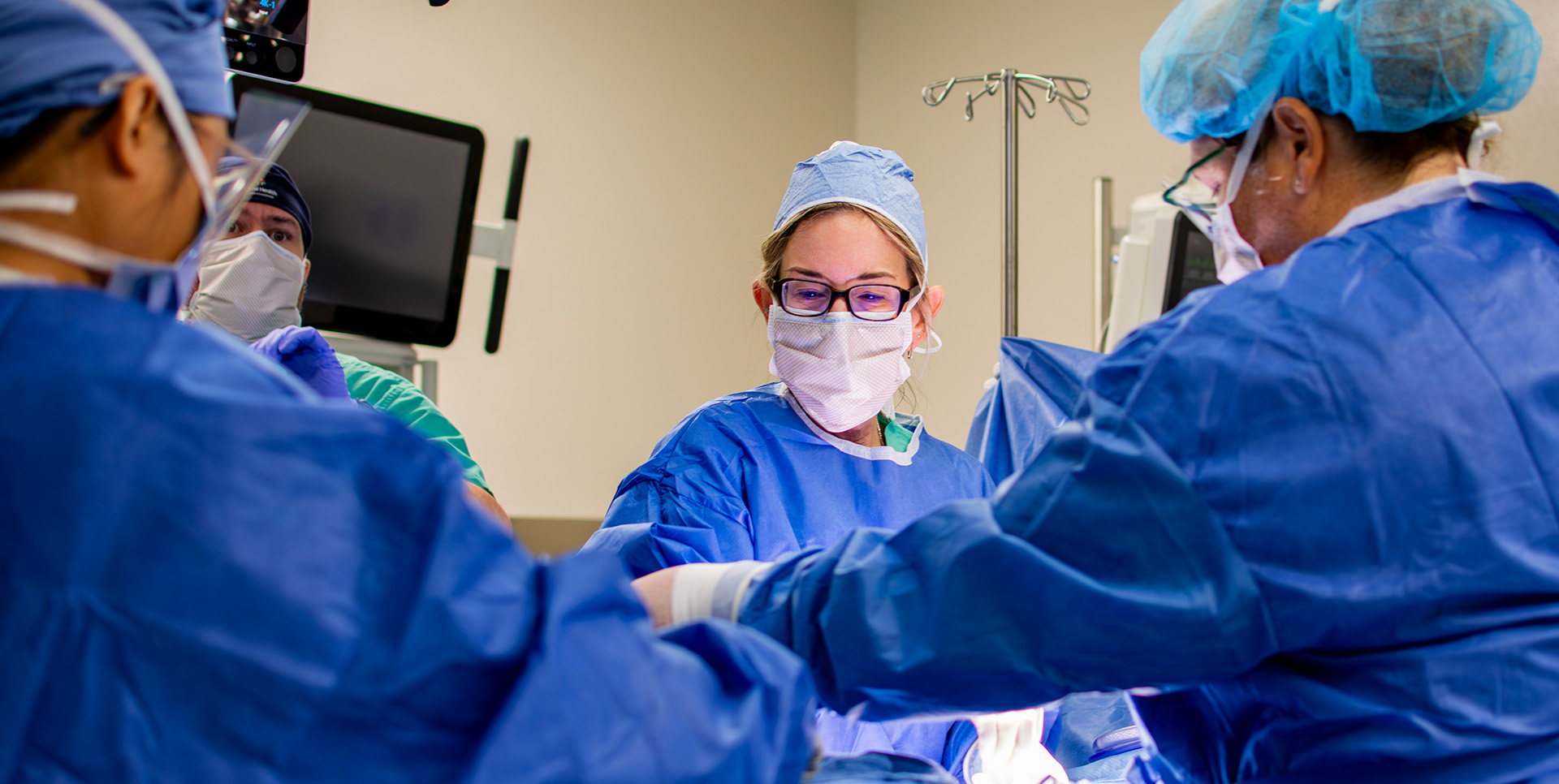
Breast surgery for cancer diagnosis and treatment includes procedures such as breast biopsy to evaluate suspicious findings, lumpectomy—including advanced wireless localization techniques to precisely target and remove tumors—mastectomy to remove all or part of the breast, and sentinel lymph node biopsy or lymph node dissection to assess whether cancer has spread. Each approach is tailored to your specific diagnosis and care plan.