
 Advanced surgical technology. Experienced surgeons. Personalized care close to home.
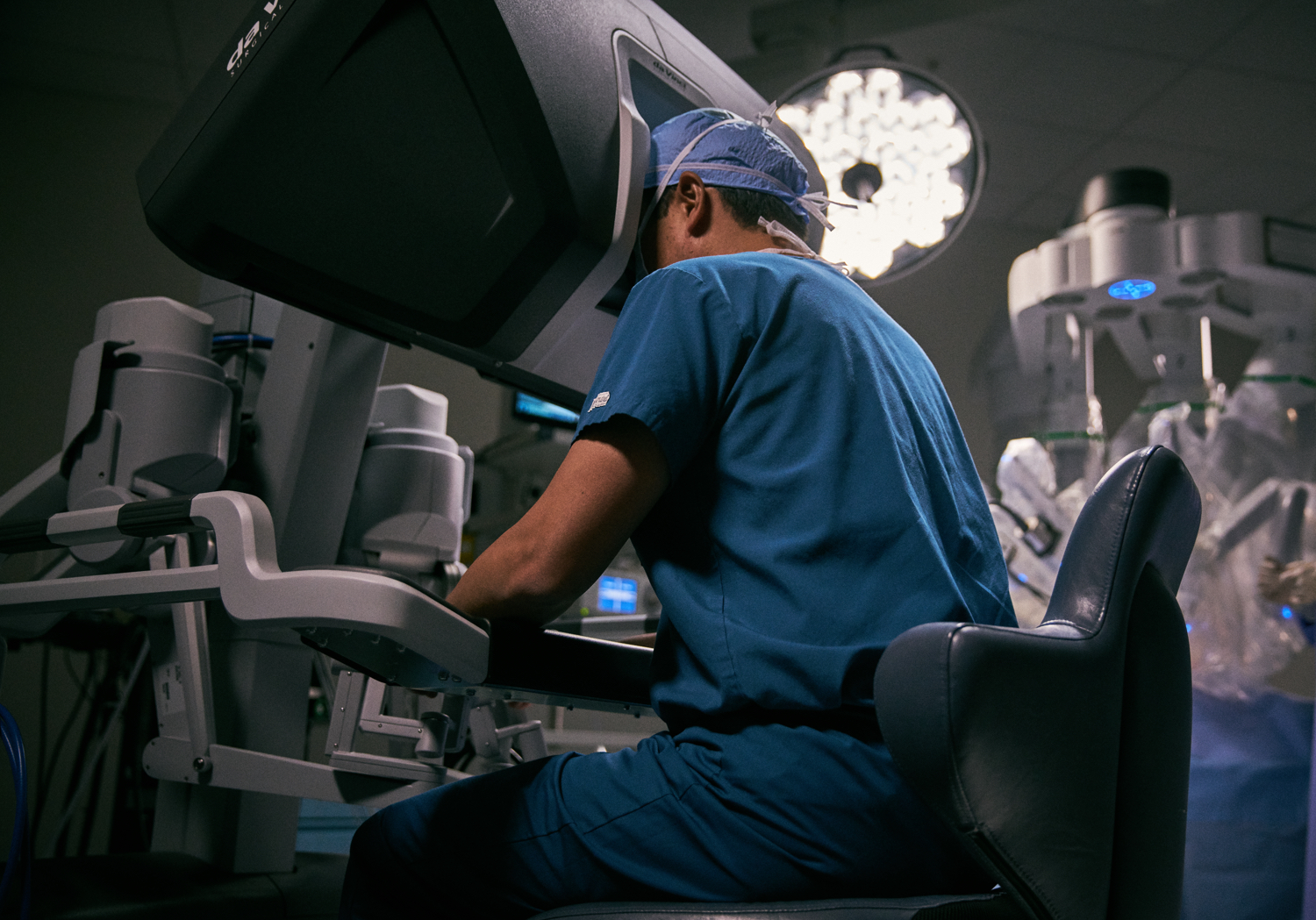
Rome Health offers robotic-assisted surgery using the da Vinci® Surgical System, an advanced technology that helps surgeons perform many procedures through small incisions. Located in the new Kaplan Center for Surgical Services, our robotic surgery program combines modern surgical technology, specialized expertise and a commitment to helping patients receive high-quality care close to home.
Robotic-assisted surgery may be an option for certain general surgery, weight loss, gynecological and urological procedures. Your surgeon will help you understand your options and determine which approach is best for your condition, overall health and treatment goals.
What Is Robotic-Assisted Surgery?
Robotic-assisted surgery is a type of minimally invasive surgery. Instead of making one large incision, surgeons use small incisions to access the area being treated.
The da Vinci Surgical System provides surgeons with a high-definition, three-dimensional view of the surgical area and specialized instruments that can bend and rotate with a wide range of motion. The surgeon controls the instruments from a console, allowing for precise movements during complex procedures.
The robot does not perform surgery on its own. Your surgeon controls every movement of the instruments throughout the procedure. The technology supports the surgeon's skill and experience but does not replace the surgeon.
Benefits of Robotic-Assisted Surgery
For eligible patients, robotic-assisted surgery may offer several advantages compared with traditional open surgery. Depending on the procedure and your individual circumstances, potential benefits may include:
- Smaller incisions and less scarring
- Less pain after surgery
- Less trauma to surrounding tissue
- A shorter hospital stay
- A faster return to everyday activities
Every patient and procedure is different. These benefits are not guaranteed, and robotic-assisted surgery is not the best option for every condition. Your surgeon will discuss the potential benefits and risks of each approach with you.
Robotic Surgery Procedures at Rome Health
Rome Health's robotic surgery program supports a range of procedures across several surgical specialties.
Weight Loss and Bariatric Surgery
Robotic-assisted procedures may be used for certain weight loss surgeries, including:
- Roux-en-Y gastric bypass
- Sleeve gastrectomy
These procedures change the stomach and, in some cases, the digestive tract to help patients lose weight. Your surgeon will discuss which procedure may be appropriate for you.
General Surgery
Robotic-assisted general surgery procedures may include:
- Appendectomy (removal of the appendix)
- Cholecystectomy (removal of the gallbladder)
- Umbilical hernia repair
- Ventral hernia repair
- Inguinal hernia repair
- Hiatal hernia repair
These procedures treat conditions involving the appendix, gallbladder, abdominal wall and the area where the stomach meets the esophagus.
Gynecological Surgery
Robotic-assisted gynecological procedures may include:
- Hysterectomy (removal of the uterus)
- Tubal ligation (a procedure to prevent pregnancy)
- Myomectomy (removal of uterine fibroids)
Your gynecologist will explain the available treatment options and whether a robotic-assisted approach is appropriate for your needs.
Urological Surgery
- Prostatectomy (removal of the prostate gland)
Robotic-assisted prostate surgery may be an option for certain patients who need prostate removal. Your urologist will explain the potential benefits, risks and alternatives based on your diagnosis.
The availability of robotic-assisted surgery depends on the procedure, your medical condition and your surgeon's assessment.
The Kaplan Center for Surgical Services
Robotic-assisted surgery is part of Rome Health's ongoing investment in advanced surgical care. Procedures are performed in the new Kaplan Center for Surgical Services, a modern surgical environment designed to support high-quality care for patients undergoing a range of operations.
The Kaplan Center reflects Rome Health's commitment to investing in surgical technology, facilities and the capabilities of our medical staff. By bringing advanced surgical services to our community, we help patients access specialized care closer to home.
For surgeons, Rome Health offers an opportunity to practice in a progressive health care organization that is investing in its surgical infrastructure and expanding its capabilities to meet the needs of the communities we serve.
Preparing for Robotic Surgery
Preparing for surgery starts with a conversation with your surgeon and care team. They will provide instructions based on your procedure, medical history and individual needs.
Before Your Procedure
Follow your care team's instructions. Ask about medications, eating and drinking restrictions, bathing and any tests you need before surgery. Contact your care team if you are unsure about any instructions.
Check your insurance coverage. Contact your health insurance plan to understand your coverage, any required approvals and your expected out-of-pocket costs.
Arrange transportation and help at home. Depending on your procedure, you may need someone to drive you home and help with daily activities while you recover. Ask your care team what assistance you may need.
Plan what to bring. If you may stay overnight, ask what personal items to bring. Leave valuables and jewelry at home unless your care team advises otherwise.
Wear comfortable clothing. Choose clothing and shoes that will be comfortable when you arrive and when you leave the hospital.
Bring the necessary documents. Have your identification, insurance information and any requested medical or advance directive documents available.
Recovering After Robotic Surgery
Recovery depends on the type of surgery, your overall health and how your body heals. Your surgeon and care team will explain what to expect and help you prepare for a safe recovery.
Before your procedure, ask your surgeon these questions:
At-home care: Will I need someone to help me after surgery? How much assistance will I need?
Pain management: How much discomfort should I expect, and how should I manage it?
Diet: Will I need to change what I eat or drink while I recover?
Activity: When can I walk, climb stairs, drive, lift objects or return to other usual activities?
Work and daily routines: When might I be able to return to work or resume my normal responsibilities?
Exercise: When can I safely return to physical activity and exercise?
Be open with your care team about your work, family responsibilities and the activities that matter most to you. This information can help your team develop a recovery plan that fits your needs.
Follow your discharge instructions and contact your care team if you have questions or concerns during recovery.
Explore Surgical Care at Rome Health
Choosing surgery is an important decision. At Rome Health, our surgical team will help you understand your diagnosis, explore treatment options and decide on an approach that supports your health and recovery goals.
Interested in learning more about robotic-assisted surgery? Talk with your surgeon about whether the da Vinci Surgical System may be appropriate for your procedure.
If you need a surgical consultation, ask your health care provider about a referral to the appropriate surgical specialist at Rome Health.